




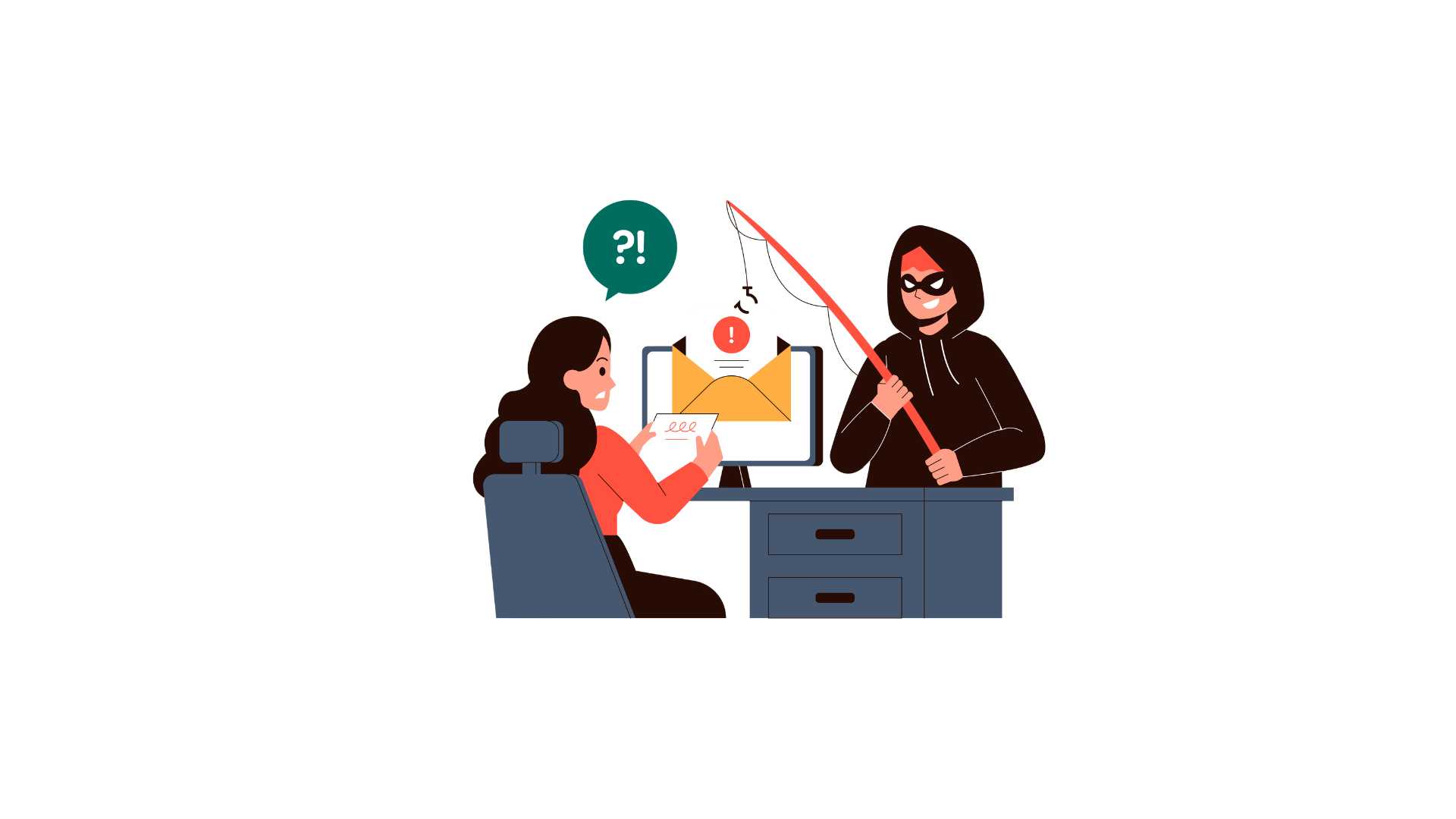

In digital business, catfishing—deceptive identities or credentials—erodes trust, costing billions annually in fraud.
This BoostMyDomain article compiles red flags from business leaders and digital growth professionals to safeguard dealings.
Experts warn of inconsistent details, reluctance for video verification, unrealistic promises, and poor online footprints as top signals.
They advocate multi-channel checks, gut checks, and due diligence like reverse image searches to spot fakes early.
From email domains to emotional manipulation, these tips empower professionals to verify partners, protect assets, and foster secure collaborations.
In 2025’s AI-deepfake era, vigilance turns vulnerability into strength, ensuring authentic relationships drive sustainable growth.
Read on!
Inconsistent Details Signal Catfish
Inconsistent identity details: names, titles, or company history shift across profiles or emails.
One of the biggest flags is a reluctance to meet on video, share a verifiable phone number, or use a corporate domain email.
If it looks too good to be true, it probably is.
The scammer won’t provide references, past deals, or a physical address.
If the images they send, such as team photos, or headshots look like stock imagery it’s likely fake. Use tools like reverse google image to check to see if the photo is real.
These are just a few recommendations I give to clients and follow myself. There’s a typical catfish scam going after lawyers to try to get you to accept a large deposit for a purchase and sale of a machine, like an MRI machine, into your escrow account. The check doesn’t clear and they want you to pay the deposit out to them.

Marc Snyderman
Partner, OGC Solutions
Ghost Jobs Hoard Talent
As someone who transitioned from commercial design work to building my own brand with Handshucked, I’ve seen this practice from both sides.
The most overlooked reason for ghost jobs is creative talent hoarding – companies post roles they don’t intend to fill just to build portfolios of available artists for future rush projects.
When I was doing commercial design work in Key West for over a decade, I noticed agencies would collect portfolios from “applicants” for positions that never materialized. Six months later, they’d reach out offering freelance gigs at below-market rates, knowing these artists were still job hunting.
The practice also serves as competitive intelligence gathering. Companies post fake creative roles to see what talent their competitors might be losing, or to gauge salary expectations in the market without committing to actual hires.
My advice: if you’re a creative professional, watermark portfolio pieces you submit and ask specific questions about project timelines during interviews. Real hiring managers will have concrete answers about current workload and team needs.

Chris Higgins
Founder & Artist, Handshucked Designs
Dodged Video Calls Raise Alarms
In the digital business, catfishing is not someone pretending to be hotter. It is people faking whole careers.
Remote work makes that easier to pull off and harder to catch.
Watch for the big tells. Someone who dodges video calls or always has a camera “issue.” A too-perfect LinkedIn page with vague titles, no real endorsements, and little interaction.
A profile photo that looks like it came from a modeling agency or an AI headshot tool. Answers that feel off, with big promises and no specifics.
Trust your gut. Pause before you sign. Do a quick reverse image search and schedule at least one face-to-face call.

Alexander Liebisch
Founder, Tinder Profile
Urgency Demands Immediate Verification
After building Carnivore Style’s vendor network from the ground up, I discovered the most telling red flag happens within the first 72 hours of contact. Legitimate businesses respond to video call requests immediately and provide multiple verification touchpoints without hesitation.
The pattern I notice with catfish operations is they excel at polished emails and documentation but crumble when asked for spontaneous verification.
Real suppliers can instantly show you their facilities, introduce team members on camera, or provide references from current clients. Fake entities always have excuses for delays.
I now require three verification points before any business engagement: live video tour of operations, direct phone conversation with a decision maker, and at least two verifiable client references.
This 15-minute investment has saved me from six potential fraudulent partnerships in the past year, protecting over $50,000 in potential losses.
Gabrielle Marie Y.
Culinary Entrepreneur, Carnivore Style
Vague Processes Hide Fraud
In digital business, a primary red flag is unrealistic promises coupled with undue pressure to act immediately.
My 15 years in real estate have shown me countless times where “investors” make compelling offers digitally but lack the actual capability to close, wasting everyone’s time and trust.
Always scrutinize vagueness around their process or a reluctance to provide detailed, verifiable information.
Just as we ensure every cash offer at Sell My House Fast SA TX is fully backed and deliverable, you must confirm the other party’s genuine capacity to fulfill their stated intentions.
If an offer or a deal sounds too good to be true, it often is. Insist on clear communication and, if necessary, seek external verification or legal advice before committing to avoid falling victim to unfulfilled promises.

Daniel Cabrera
Owner & Founder, Sellmyhousefastsatx
Rushed Payments Indicate Scams
After 17+ years in cybersecurity and managing Sundance Networks since 2003, I’ve seen countless digital scams targeting businesses. The biggest red flag is rushed urgency—legitimate partners never demand immediate wire transfers or cryptocurrency payments.
I always verify through multiple channels before any business deal. When a “vendor” contacted us claiming to be from Microsoft demanding immediate payment for licensing violations, I called Microsoft directly using their official number. It was completely fake—the real Microsoft had no record of our account having issues.
Another major warning sign is reluctance to meet via video call or provide verifiable business credentials. We now require video meetings for all new partnerships over $5,000.
In our weekly AI briefings, I share how deepfakes are getting sophisticated, but most scammers still avoid live video calls.
Trust your instincts when communication feels off. We’ve helped clients who ignored gut feelings about “too good to be true” partnerships, only to lose thousands. Always verify business licenses, check references, and never bypass your normal verification processes regardless of urgency claims.

Ryan Miller
Owner & Founder, Sundance Networks
Weak Online Footprint Flags Fakes
Beyond noticing when things are too good to be true, I always like to look into the company’s online reputation as well as the salesperson or other person I’m dealing with.
For example, I like to look up a company’s name on Reddit and audit their website with Semrush. This will help me see if they’re associated with any known scams and how strong their online authority is.
If I can’t find both the company and the individual I’m dealing with on LinkedIn, that’s another red flag.
This red flag intensifies if the individual never comes on camera during a virtual meeting because it makes me wonder if I’m speaking to a real person.

Dan Gower
Director of Marketing & Business Development, Sketch Development
Suspicious Emails Demand Caution
One major red flag professionals should watch for in digital business dealings is vague or inconsistent information—especially around identity, company credentials, or payment terms.
If someone avoids video calls, uses a suspicious email address, or has no professional digital footprint (like LinkedIn or a business website), proceed with caution.
Watch for pressure tactics too—like urgent deadlines, emotional appeals, or promises that sound too good to be true.
Trustworthy partnerships are built on transparency, not secrecy or urgency.
When in doubt, verify before you trust—research the company, cross-check contact info, and never send sensitive data or payments without due diligence.
Think of it like online dating… but with contracts instead of chocolates.

Analyn Braza
Founder & CEO, WebKitty Creative
Hesitant Verification Spells Trouble
A red flag I never fail to mention is someone who does not want to give verifiable identification or someone who does not want to engage in ordinary due diligence, such as certified copies of documents or records of the company.
In lawful transactions, such papers are normal, and they are given without reservations. When a person hesitates or postpones this step, I see that as a great sign.
The other indication is excessive investment in the emotional rapport. Fraudsters tend to pretend to be well acquainted with the person to divert attention from the lack of business qualifications.
Personally, I saw professionals accept multi-thousand dollar transfers, all the time with the other party making the transaction feel urgent due to an artificial deadline, all the time without making simple verification measures.
Lastly, pay attention to communication inconsistency. I believe that minor inconsistencies like names misspelled in various documents, accounts opened in irrelevant jurisdictions, or a spur-of-the-moment change in email domain will be a red flag to further probe.

On behalf of the BoostMyDomain community of readers, we thank these leaders and experts for taking the time to share valuable insights that stem from years of experience and in-depth expertise in their respective niches.
BoostMyDomain invites you to share your insights and contribute to our authoritative publication. Reach a wider audience, build your credibility, and establish yourself as a thought leader in an industry that caters to every business with an online presence!