




Women's History Month
Jules
Brim
Marketing & Social Media Professional
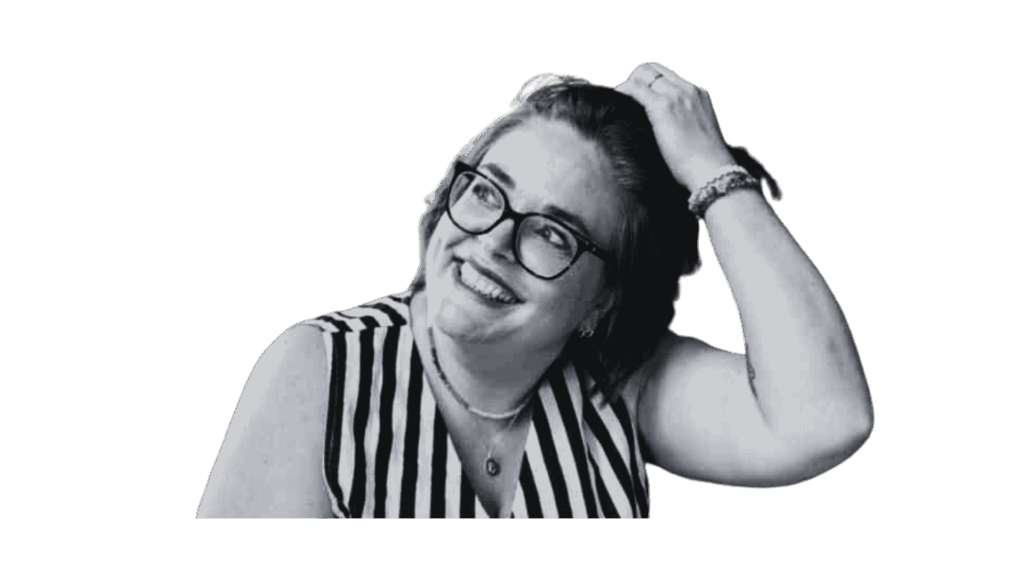
Today, as part of our Women’s History Month special feature, we have the pleasure of interviewing Jules Brim, a marketing powerhouse whose work helps businesses elevate their domain and maximize their visibility.
Based in the UK, Jules is also an accomplished children’s author and speaker. Join us as we explore her unique perspective on digital growth, strategy, and what it takes to thrive in today’s fast-paced digital environment.
Digital Growth never sleeps. What is the one metric or dashboard you checked first thing this morning while drinking your coffee?
Honestly, it depends on the day—but my go-to is a quick glance at overall engagement across channels: website traffic, email opens, social interactions, and conversion rates. It’s like my digital “pulse check.” Some days it’s a surprise spike in Instagram DMs, other days a dip in newsletter clicks that tells me something needs tweaking. I like starting the day knowing what’s working, what’s trending, and what might need a little love—before I’ve even finished my cuppa.
A little controversy! What is a popularly held belief in the SEO industry right now that you think is complete garbage?
That “keywords don’t matter anymore.” Sure, content needs context, intent, and flair—but keywords are like the GPS of SEO. Ignore them and you’re basically wandering the streets blindfolded, hoping people stumble into your shop.
Google disappears tomorrow. Based on your current strategy, does your brand (or your clients) survive? What is the ‘Plan B’ moat you are building right now?
I’ve learned not to put all my eggs in one basket. Search engines are great, but traffic isn’t guaranteed, and algorithms change overnight. My real focus is on building direct, human connections—through email lists, online communities, and social channels. I like having a direct line to people who actually care about what I (or my clients) do.
SEO is an industry of confident guesses. Do you think women are less likely to say ‘I know this will work’ without 100% data backing, and has that ever held you back from taking a big risk?
Absolutely, early on, I wanted every metric double-checked before trying anything bold. And in digital marketing, that’s a lot to ask: campaigns span social, email, paid ads, content, and more. But I’ve learned that calculated risks are where the magic happens. Some of my best wins didn’t come from waiting for perfect data, they came from taking a leap, experimenting across channels, seeing what resonates, and iterating fast. Digital marketing is fluid, and if you wait for perfection, you’re often too slow to capitalise on opportunities. Now, I trust my instincts, combine them with the data I have, and embrace experimentation as part of the strategy—because growth rarely comes from playing it super safe.
Does the stereotype that women in marketing handle ‘content and creative’ while men handle ‘technical SEO and code’ still exist? Have you ever had to walk into a room and immediately prove your technical literacy to get respect?
The stereotype is still around, but things are definitely improving. Early in my career, I often had to prove I could handle schema markup, server redirects, or complex analytics setups before being taken seriously in meetings. And it wasn’t just SEO—this bias cropped up across digital marketing, whether setting up multi-channel campaigns, managing automation, or analysing data.
The good news is that mindsets are changing. More teams are recognizing that digital marketing is as much about strategy, analytics, and tech as it is about creativity—and women are increasingly taking the lead in all of it. There’s still the occasional raised eyebrow, but now it’s often followed by curiosity and collaboration rather than doubt. Confidence, curiosity, and a willingness to get hands-on across every part of digital marketing can really shift the room—and it feels great to see the balance improving over time.
We all know chasing Google’s algorithms is a losing game. What is one ‘evergreen’ growth strategy you stick to, even when a Core Update tanks everyone else’s traffic?
At the end of the day, digital marketing is still marketing—and marketing is about people, not algorithms. My evergreen strategy is simple: solve real problems for real people. That means creating fast, clear, and genuinely useful content, designing sites that are easy to navigate, and engaging in ways that feel human rather than transactional. Algorithms will come and go, but people don’t. They still want answers, clarity, and experiences that make their lives easier. If your marketing is built with humans in mind, it will survive shifts in technology, search updates, or trends—because at the heart of it, it’s about connecting with real humans, not chasing artificial rankings.
Long-form content or Short-form video: If you could only pick one for 2026, which wins?
Short-form video wins, it’s digestible, shareable, and emotionally punchy. But secretly, I still love long-form for SEO and authority. Ideally, you get the best of both worlds, but if forced, video edges it.
What is the biggest lie sold by ‘SEO Gurus’ on LinkedIn?
“That one hack will skyrocket your rankings overnight.” SEO is strategy, persistence, and context—not magic. Anyone promising instant results is selling fairy dust, not real growth.
A huge thank you to Jules Brim for sharing her invaluable insights and keeping it real about the digital landscape! Her perspective on blending strategy with human connection is a reminder that marketing is ultimately about people. If you’re looking to boost your visibility or need a dose of inspiration, be sure to check out her website. Until next time, keep growing and stay visible!

Jules Brim is a marketing and social media megastar who works with a range of business owners to build their visibility and boost their domain.
She is also a children’s author and speaker based in the UK