

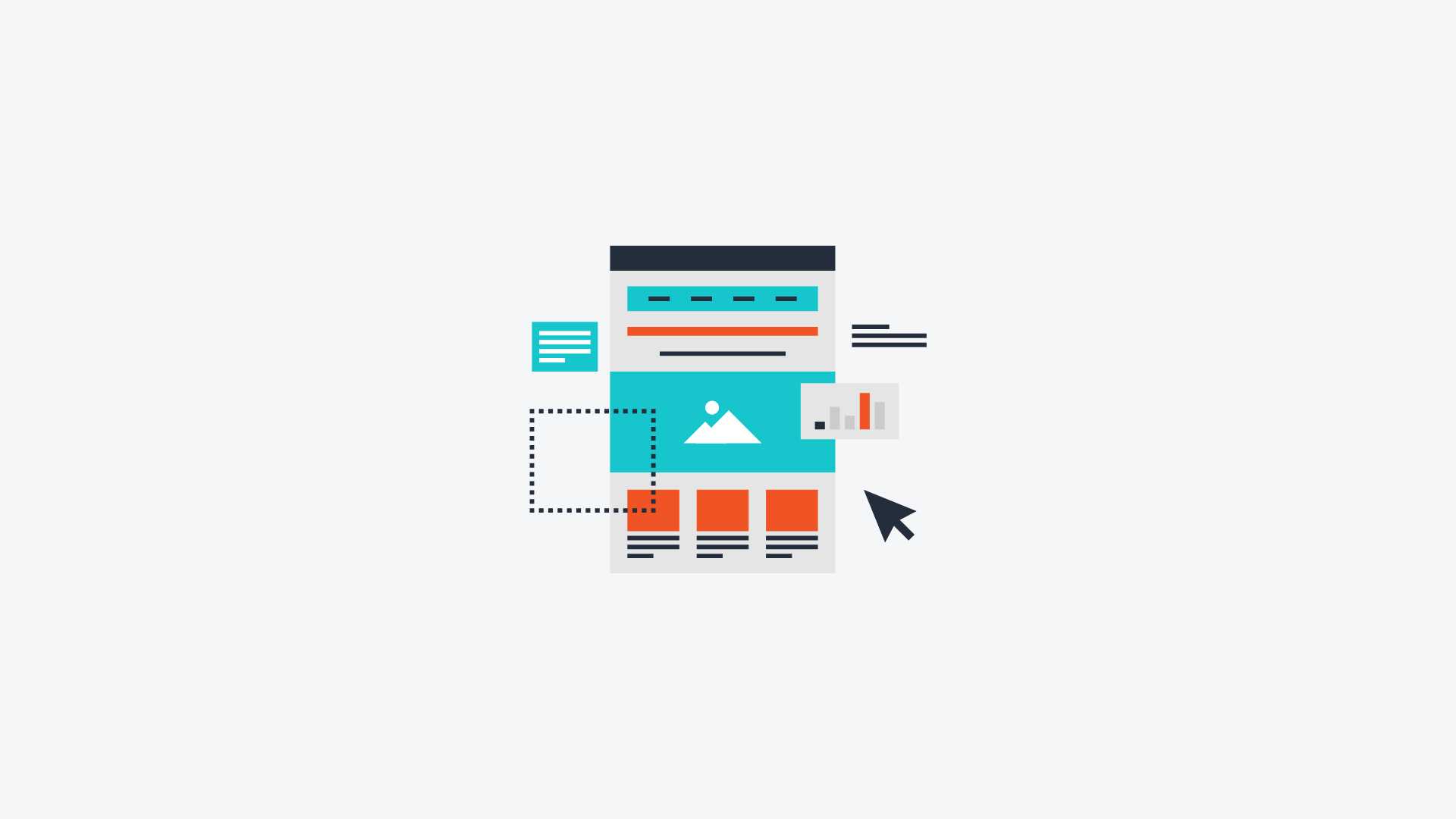

In the competitive digital landscape, landing pages are critical for driving conversions and enhancing SEO performance.
This BoostMyDomain article compiles insights from business leaders and digital growth professionals on leveraging landing page content effectively.
Experts emphasize crafting compelling, user-focused content that aligns with search intent, incorporating strategic keywords, and using engaging elements like social proof and interactive features.
They advocate for clear, benefit-driven headlines, structured storytelling, and optimized designs to reduce friction and boost user engagement.
By balancing SEO best practices with persuasive copy and trust signals, these strategies help landing pages stand out, convert visitors, and improve search rankings in crowded markets.
Read on!
Distinct Headings Boost SEO, UX
My preferred tip is to keep heading tags distinct from your hero text and style them as eyebrow text. Most landing pages treat H1s and H2s as prominent, bold hooks, but this is often where SEO and UX clash.
Search engines depend on heading tags to comprehend your content and keywords, yet those same headings are the most effective hooks for users. Instead, we style heading tags as small, bold eyebrow text (H1, H2, H3, etc.), positioned just above a significantly larger, user-focused headline.
This enables you to incorporate your target keywords for SEO while also presenting a value proposition that truly converts.
The prominent text captures attention and highlights the benefit, whereas the heading tag subtly performs its function behind the scenes.
It’s a minor design choice that significantly influences both visibility and conversion.

Chris Regan
Managing Director & Founder, Arriba
Storytelling Drives Conversions, SEO
To maximize both conversions and SEO performance, craft your landing page as a compelling story that mirrors your ideal client’s search intent.
Start with the keywords your audience is using and build a journey that guides them from curiosity to conversion.
Structure the page so each section naturally leads to the next, much like a classic sales letter. Use a blog-like tone enriched with proven copywriting techniques, such as emotional triggers, open loops, and clear calls to action.
Long-form content still works: not only does it provide ample opportunity to integrate relevant keywords for SEO, but it also gives space to connect with readers on a deeper level.
Take inspiration from traditional long sales letters. They pull the reader in with relatable stories, anticipate objections, and create powerful emotional resonance that drives action.

SEO Consultant, Words Plus Design
Conversion Rate Measures True Success
Conversion rate is the single most telling metric for landing page performance. It shows the percentage of visitors who take the action we want—whether that’s signing up, buying or filling out a form on our site, or our clients. It cuts through vanity metrics and tells you if the page is actually doing its job.
A high conversion rate means the message, design and offer are working. A low one means something’s off.
Unlike metrics like bounce rate or time on page, conversion rate ties directly to business outcomes. It reflects how well the entire page is working, from copy and layout to load speed and CTA. If you only track one thing, make it this Conversion Rate.

Taylor Brody
Founder, Resgato
Intent-Driven Content, FAQ Schema
Build your landing page around the search intent, not just the keywords. Too many pages chase rankings with surface-level optimization—headlines, meta tags, and CTAs—while ignoring why the user clicked in the first place.
For higher conversions and SEO, structure your content using a problem-solution-benefit model. Start with a direct headline that speaks to their pain or goal, reinforce credibility with social proof above the fold, and don’t bury key answers—bring them forward with scannable subheads.
Then the overlooked part: Create an FAQ block using schema markup. This boosts SEO with rich snippets and increases time-on-page by addressing common concerns preemptively. It’s like a built-in objection handler.
Bottom line: Think like your prospect before they hit your page—and design your content to finish the conversation they already started in their head.

Paul Bies
President, Mystique Brand Communications
Mobile-First, Keyword-Rich Headlines
First place I’d focus on if you want your landing page to rank and convert, is the above-the-fold section for mobile.
Since most users don’t always scroll down (validate with heatmaps), that first impression is everything.
Your H1 should include your primary keyword but still feel human. Go for a catchy, clear headline that also aligns with search intent. Pair it with a supporting H2 or short intro that naturally incorporates related terms or synonyms to reinforce SEO relevance. Cap it off with a CTA that’s specific and action-driven. Avoid the generic “Learn More” or “Signup”.
When optimized, your landing page hooks the user early, reduces bounce rates (which also impacts SEO), and increases the chances they actually convert. Bonus, don’t forget FAQs to enrich content and “speak” to LLMs (make sure you include FAQ schema).

Rany Burstein
CEO & Co-Founder, Diggz
Navigable Design Enhances Conversions
When designing landing page content, I first consider how customers make decisions, understanding that not all decision-maker types are the same.
Some need big picture visuals while others look for details, social proof, or emotional connection. To create a powerful and effective landing page that maximizes both customer conversion and SEO performance is to structure the design with navigational elements that stay visible as consumers scroll, while incorporating both big picture elements and details to meet a variety of consumer requirements.
Some effective elements are a sticky call-to-action button, a side navigation bar, or a jump menu that puts the customer in control of what information is important to them. Then, when they’ve reached their decision-making moment, the next step is straightforward. Easy action facilitates quick conversions and supports SEO by reducing friction and improving user experience.

Vanessa Bucceri
Brand & Web Designer, Bucceri Creative
Interactive Elements Engage, Rank
Landing pages are often the first impression a customer will have of your brand. So, if you’re treating them as static, one-dimensional pages, you’re missing a huge opportunity.
The best landing pages don’t just capture attention, they engage it. Adding interactive elements or even gamifying the experience can make your landing page stand out in an overcrowded digital space. Think quizzes, polls, or unique features that encourage visitors to engage, explore, and stay longer.
For SEO, this added engagement works in your favour. Google rewards pages that keep users on-site, so increasing time spent on your landing page can improve your rankings. But don’t just add interactivity for the sake of it, ensure it adds real value to the user journey.
At the end of the day, your landing page should do more than just look good. It should captivate, surprise, and provide an experience that users can’t get anywhere else. It’s your brand’s chance to make a lasting impact, don’t waste it with a dull page.

Niko Moustoukas
Director, Limely
Clear Headlines, Strong CTAs
Craft ultra-clear, benefit-driven headlines paired with concise, persuasive copy that speaks directly to your audience’s pain points.
The headline is your first and best chance to hook visitors and it needs to instantly communicate what’s in it for them.
Avoid jargon or vague claims; instead, highlight the specific value or solution your product or service offers. Supporting this with focused content that answers common questions and includes relevant keywords naturally will boost SEO without sacrificing readability.
Don’t forget a strong, visible call to action that guides users exactly where to go next. This combination builds trust, keeps visitors engaged, and drives action, all while signalling to search engines that your page is relevant and valuable.

Emma Grant
Co-Director, Figment
Strategic Testimonials Boost Trust
A powerful way to boost both conversions and SEO on landing pages is to use customer testimonials and social proof strategically. Including authentic reviews, case studies, or user stories helps build trust and credibility right away, which encourages visitors to take the next step.
From an SEO perspective, these user-generated contents add fresh, relevant keywords and unique text that search engines love. Make sure testimonials address specific benefits or common objections your audience has – this makes them more relatable and convincing. Visually, place these elements near calls to action to reinforce the decision-making process.
By combining trust signals with targeted keywords, your landing page becomes both more persuasive for users and more visible to search engines, helping you stand out in a crowded digital market.

Gregory Rouvelin
Marketing Director, Employers
On behalf of the BoostMyDomain community of readers, we thank these leaders and experts for taking the time to share valuable insights that stem from years of experience and in-depth expertise in their respective niches.
BoostMyDomain invites you to share your insights and contribute to our authoritative publication. Reach a wider audience, build your credibility, and establish yourself as a thought leader in an industry that caters to every business with an online presence!